

目录
| # | 曲目 | 时长 |
|---|---|---|
|
1 |
サウンドスケープ (TV size) | 01:49 |
| 2 | 新たな始まり | 01:48 |
| 3 | 人生の流転 | 01:49 |
| 4 | 平穏なる日々 | 02:13 |
| 5 | 青春なる日常 | 02:00 |
| 6 | 謳歌する若者 | 02:01 |
| 7 | 運命という必然 | 02:09 |
| 8 | 想い出を積み上げる | 02:13 |
| 9 | 静謐なる心 | 01:55 |
| 10 | 背中を押すもの | 02:19 |
| 11 | 戸惑い泳ぐ | 01:54 |
| 12 | 特別とは何なのだろう | 02:04 |
| 13 | 必然という冷酷 | 02:24 |
| 14 | 吹き抜ける風のように | 02:16 |
| 15 | 郷愁から芽吹くもの | 02:06 |
| 16 | 人生の蹉跌 | 02:10 |
| 17 | 変化していく時期 | 01:44 |
| 18 | 重なる経験 | 01:48 |
| 19 | そこに兆しは存在する | 01:56 |
| 20 | 陰る心 | 01:55 |
| 21 | 落ちきった心情 | 01:45 |
| 22 | 夏の到来 | 01:44 |
| 23 | 突き進むべきである | 01:53 |
| 24 | 特別は孤独なのか | 02:15 |
| 25 | ヴィヴァーチェ! (TV size) | 01:35 |
| 26 | 響け!ユーフォニアム (Last Ver.) | 01:37 |
| 27 | 学園天国 (チームもなか Ver.) | 00:35 |
| 28 | チャイコフスキー「交響曲第4番」より終楽章 | 09:25 |
| 29 | ダッタン人の踊り | 12:33 |
| 30 | パガニーニの主題による狂詩曲 | 10:05 |
| 31 | 君は天然色 | 04:55 |
| 32 | 学園天国 (Full編成 Ver.) | 03:10 |
| 33 | 宝島 | 03:47 |
| 34 | アメリカンパトロール | 03:04 |
| 35 | 北宇治四重奏 第1番 ユーフォニアム | 03:54 |
| 36 | 響け!ユーフォニアム (朝もや Ver.) | 01:43 |
| 37 | プロヴァンスの風 (関西大会突破 Ver.) | 03:34 |
| 38 | 三日月の舞 (関西大会突破 Ver.) | 06:57 |
| 39 | 孤高のトランペット (決意の心 Ver.) | 00:28 |
| 40 | Starting the project | 01:13 |
| 41 | 三日月の舞 (short) | 04:30 |
| 42 | 響け!ユーフォニアム (久美子と二人きり Ver.) | 01:55 |
| 43 | Second project | 01:25 |
| 44 | サウンドスケープ (TRUE & Wind Orchestra Ver.) | 05:22 |
| 45 | プロヴァンスの風 (全国大会銅賞 Ver.) | 03:32 |
| 46 | 三日月の舞 (全国大会銅賞 Ver.) | 06:52 |
| 47 | ヴィヴァーチェ! (Wind Orchestra Ver.) | 05:39 |
| 48 | 響け!ユーフォニアム (Wind Orchestra Ver.) | 04:25 |
专辑简介
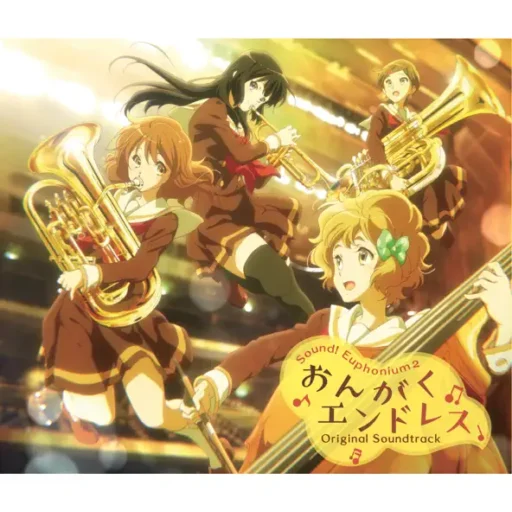
2016年秋季番《吹响! 悠风号》第二季原声带发行。剧中演奏曲目依然由洗足学园音乐大学协力制作。
2016年10月放送のTVアニメ『響け!ユーフォニアム2』オリジナルサウンドトラック! 第2期も、劇中曲の演奏は本作の演奏協力校である洗足学園音楽大学のフレッシュマン・ウインド・アンサンブル2014が担当。久美子たちの青春が詰まった珠玉のCD!-guitarist Nina Cates pieced together the lyrics in what she calls a “collection collage,” pulling from memories and journal entries she wrote during the period after the fire. Seemingly detached observations on weather and people-watching are flanked by an assortment of entities—sports radio, a smiley-face takeout bag, the trolley problem—that seem random until you realize the chaos is the point. “I don’t wanna get stuck like this,” repeats Cates, yearning for routine and calm.
Robber Robber don’t relive their apartment fire in literal terms on the album or dramatize the months spent living out of suitcases. Instead, they fill their songs with more oblique references to support systems, trash and grime, the insatiable need for stability—processing how class and community inform the experience of displacement. Gratitude for having a place to close your eyes doesn’t erase the loneliness of nomadic living. It’s especially true in Vermont, where wealth disparities separate generational blue-collar families from the snow bunnies and post-pandemic homeowners chasing the state’s idyllic stereotype in the face of a homelessness crisis. Rearrange her lyrics and Cates’ intentionally fractured scenes clearly flit between the trepidation, despair, and resigned acceptance familiar to certain locals.

