

目录
| # | 曲目 |
|---|---|
|
1 |
Norma – Casta diva (Norma, Chorus) |
| 2 | La bohème – Si, mi chiamano Mimì (Mimì) |
| 3 | La bohème – Donde lieta uscì (Mimì) |
| 4 | Suor Angelica – Senza mamma (Sister Angelica) |
| 5 | Gianni Schicchi – O mio babbino caro |
| 6 | La traviata – È strano… è strano! (Violetta) |
| 7 | La traviata – Ah, fors’è lui (Violetta) |
| 8 | La traviata – Sempre libera (Violetta) |
| 9 | La traviata – Addio del passato (Violetta) |
| 10 | Il trovatore – D’amor sull’ali rosee |
| 11 | Carmen – L’amour est un oiseau rebelle |
| 12 | Werther – Werther! Qui m’aurait dit la place |
| 13 | Lucia di Lammermoor – Regnava nel silenzio |
| 14 | Lucia di Lammermoor – Quando rapito in estasi |
| 15 | La Cenerentola – Nacqui all’affanno |
| 16 | Il barbiere di Siviglia – Una voce poco fa |
| 17 | Tosca – Vissi d’arte (Tosca) |
| 18 | Tosca – E lucevan le stelle (Cavaradossi) |
| 19 | La bohème – O soave fanciulla (Schaunard, Mimì, Rodolfo) |
| 20 | Turandot – Signore, ascolta! (Liù) |
| 21 | Turandot – In questa reggia (Turandot) |
| 22 | Turandot – Tu che di gel sei cinta (Liù) |
| 23 | Madama Butterfly – Un bel dì, vedremo |
| 24 | La sonnambula – Compagne, temeri amiche |
| 25 | Dinorah (Le pardon de Ploermel) – Ombrageux feuillage |
| 26 | I vespri siciliani – Merci, dilette amiche |
| 27 | Aida – Ritorna vincitor! (Aida) |
| 28 | Lakmé – Où va la jeune indoue? (Lakmé) |
| 29 | Louise – Depuis le jour où je me suis donnée |
| 30 | Faust – Il était un roi de Thulé / Ô toi que j’ai chérie (Marguerite) |
| 31 | La Wally – Ebben? Ne andrò lontana (Wally) |
| 32 | Rigoletto – Gualtier Maldè!… Caro nome (Gilda) |
| 33 | La forza del destino – Sono giunta! (Leonora) |
| 34 | La forza del destino – Madre, pietosa Vergine (Leonora) |
| 35 | Macbeth – La luce langue (Lady Macbeth) |
| 36 | Adriana Lecouvreur – Ecco: respiro appena… Io son l’umile ancella (Adriana) |
| 37 | Adriana Lecouvreur – Poveri fiori (Adriana) |
| 38 | Andrea Chénier – La mamma morta (Maddalena) |
| 39 | Alceste – Divinités du Styx (Alceste) |
| 40 | Orphée et Eurydice – J’ai perdu mon Eurydice |
| 41 | Carmen – Près des remparts de Séville |
| 42 | Carmen – Les tringles des sistres tintaient |
| 43 | Manon – Je ne suis que faiblesse… Adieu, notre petite table (Manon) |
| 44 | Samson et Dalila – Printemps qui commence |
| 45 | Samson et Dalila – Mon cœur s’ouvre à ta voix |
| 46 | Roméo et Juliette – Je veux vivre (Juliette) |
专辑简介
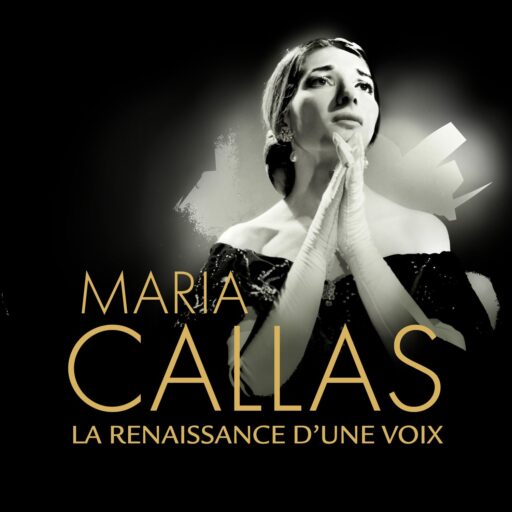
著名美籍希腊女高音歌唱家,20世纪最伟大的歌剧女王,以其优美歌声和与希腊船王悲剧性的爱情而出名。擅于形体表演,具有崇高、隽永的雕塑美。是世界公认的全能女高音歌唱家。 Passion, has given rise to various reconstructions, and the last two, if they at all existed, are irretrievably lost. Of the two Passions that have come down to us, the St John Passion was the first to be composed; Bach had it performed for the first time in the St Nicholas Church less than a year after taking up his post in Leipzig, on 7 April 1724 (he had taken the liberty of announcing it to the St Thomas Church, which earned him a reprimand; he got away with a somewhat ironic letter of apology). The work was again performed the following year, this time at St Thomas?, and most likely on further occasions in 1732, 1739 and 1749, with various revisions.

